
Ise Jingu, Izumo Taisha, and Meiji Jingu
When traveling in Japan, visiting a Shinto shrine can be a special experience. Among thousands of shrines across the country, Ise Jingu, Izumo Taisha, and Meiji Jingu are especially important. Each has its own unique history, spiritual meaning, and nearby places to explore.
Ise Jingu (伊勢神宮)
Location: Mie Prefecture
Ise Jingu is considered the most sacred shrine in Japan. It is dedicated to Amaterasu Omikami, the sun goddess and the mythical ancestor of the Japanese imperial family. The shrine consists of two main parts, the Inner Shrine (Naiku) and the Outer Shrine (Geku), both surrounded by ancient forests and peaceful paths.
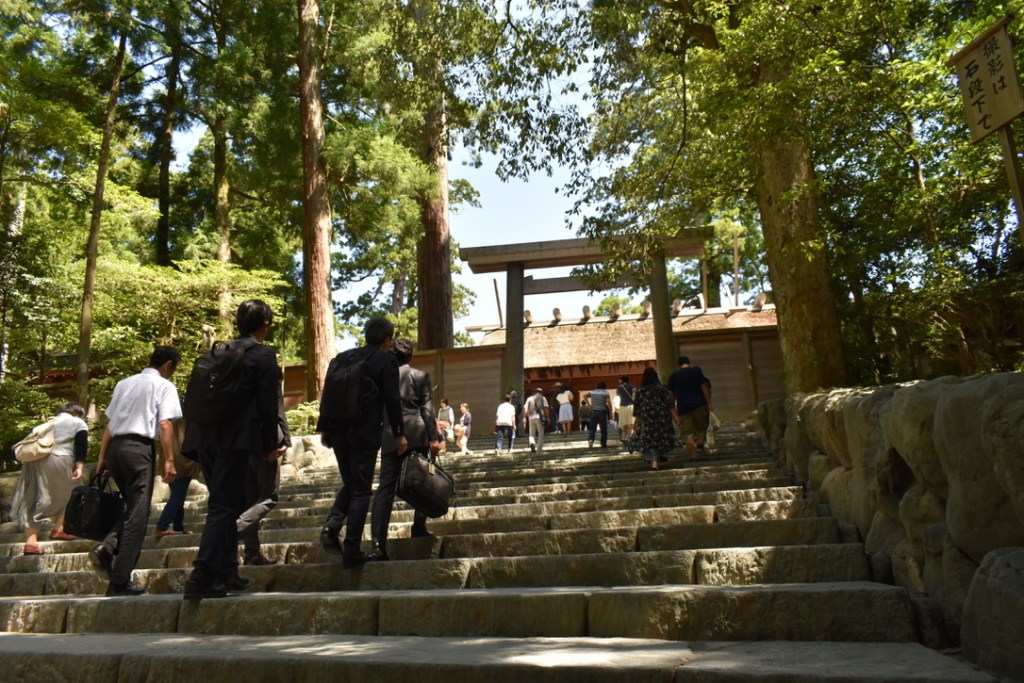
One special tradition is Shikinen Sengu, the complete rebuilding of the shrine every 20 years. This reflects the Shinto belief in renewal and continuity.
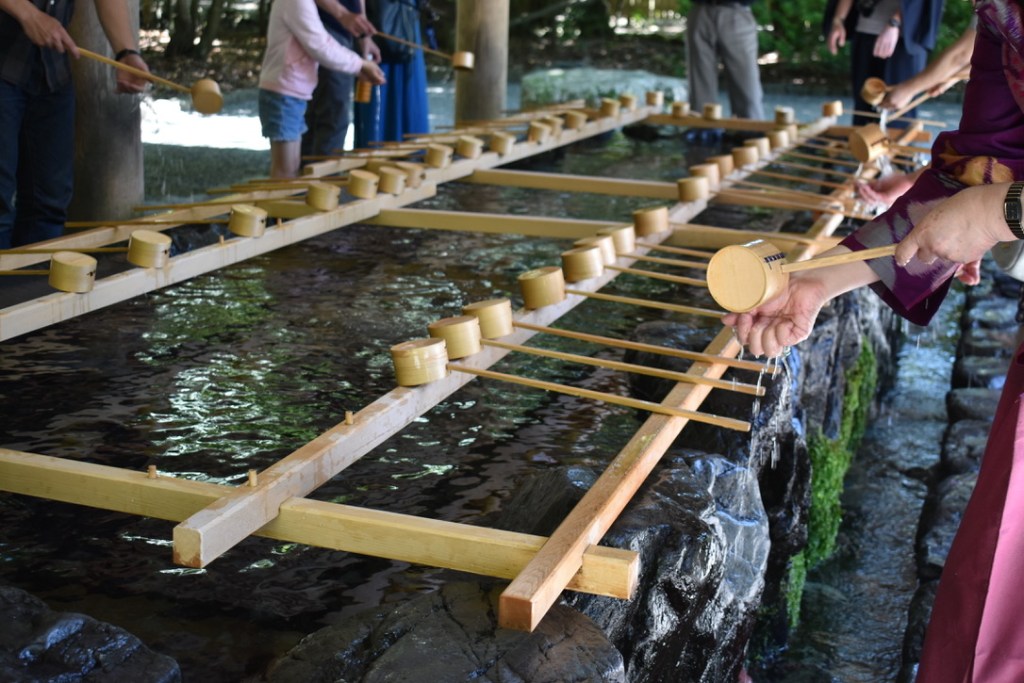
Nearby highlights
Just outside the Inner Shrine is Okage Yokocho, a lively shopping street with traditional architecture. You can enjoy local food and pick up souvenirs from small, locally run shops.
Recommended foods
- Akafuku: soft mochi rice cake topped with smooth red bean paste
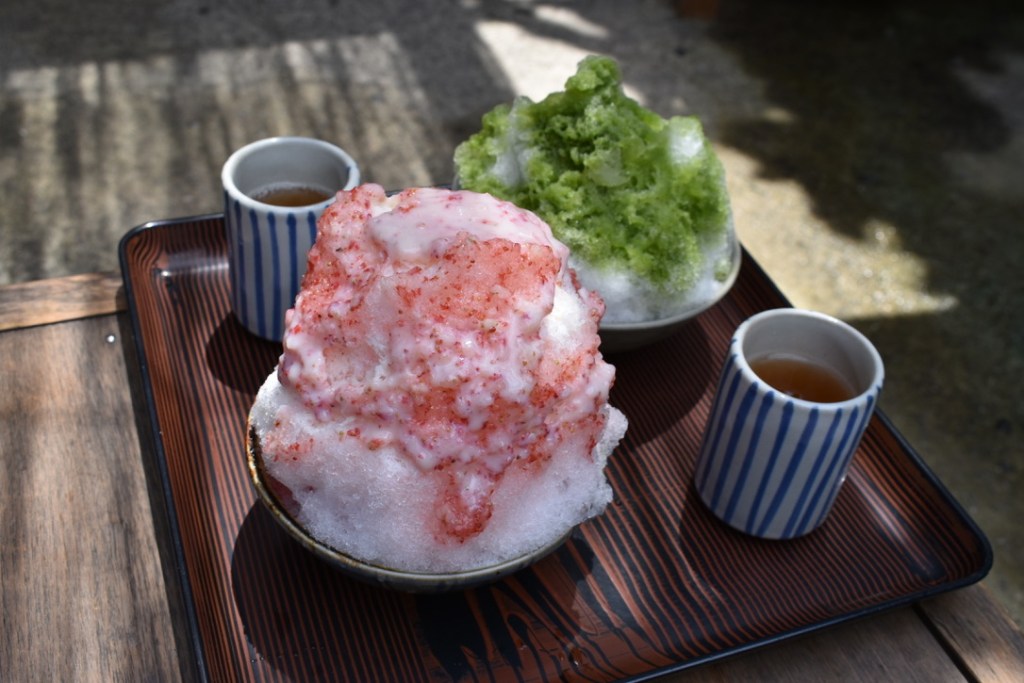
- Akafuku Goori: summer-only shaved ice with Akafuku inside
- Ise Udon: thick, soft noodles with rich soy-based sauce
Izumo Taisha (出雲大社)
Location: Shimane Prefecture
Izumo Taisha is one of Japan’s oldest shrines and is dedicated to Okuninushi no Okami, the god of relationships and good fortune. It is believed that all of Japan’s gods gather here every October for a spiritual meeting.
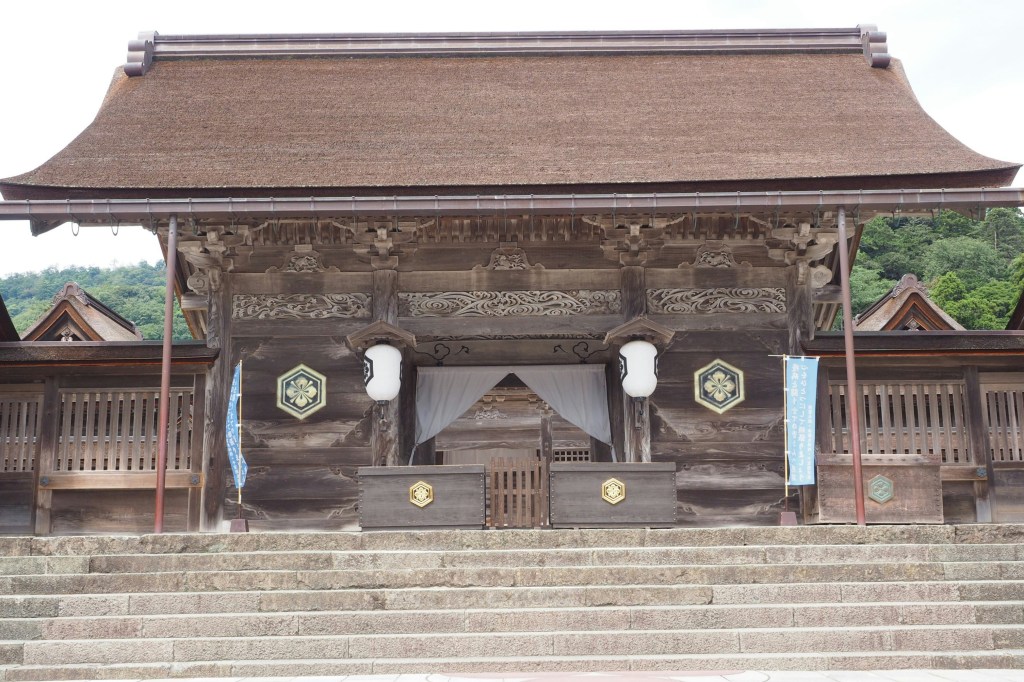
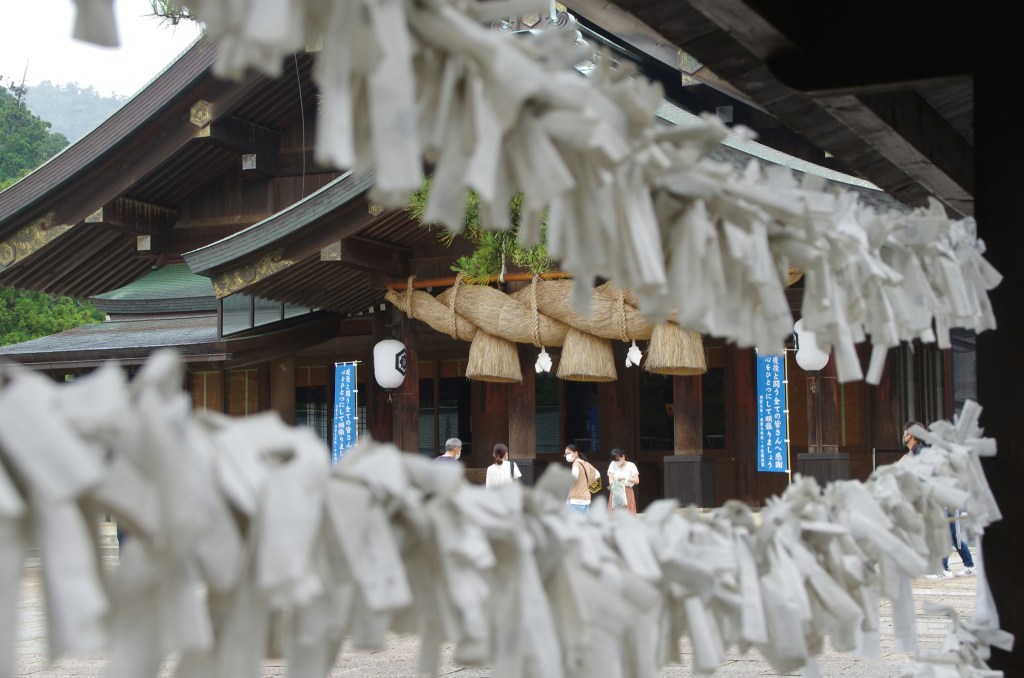
The main hall is tall and powerful in design. One of the most famous sights is the large shimenawa, a sacred straw rope at the worship hall. Many visitors try to toss coins into it to bring luck in love.
Local specialty
Izumo soba is well known in this area. It has a darker color and stronger flavor compared to regular soba, as it uses whole buckwheat grain. It is often served in three stacked bowls called warigo soba.
Meiji Jingu (明治神宮)
Location: Tokyo
Meiji Jingu is a peaceful forest shrine in central Tokyo, near Harajuku. It is dedicated to Emperor Meiji and Empress Shoken, who supported Japan’s modernization during the Meiji era. Completed in 1920, the shrine is surrounded by a wide forest area.
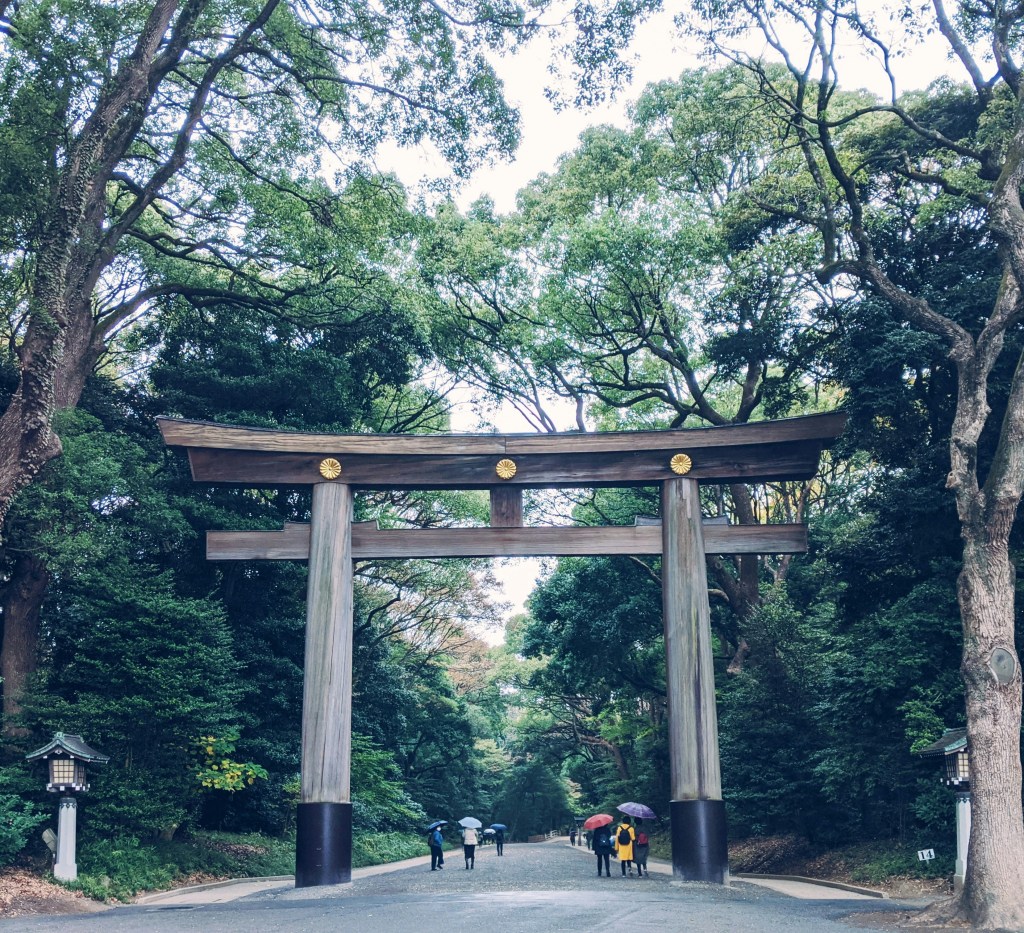
This shrine is especially popular during New Year’s, when millions of people visit to pray for a good year.
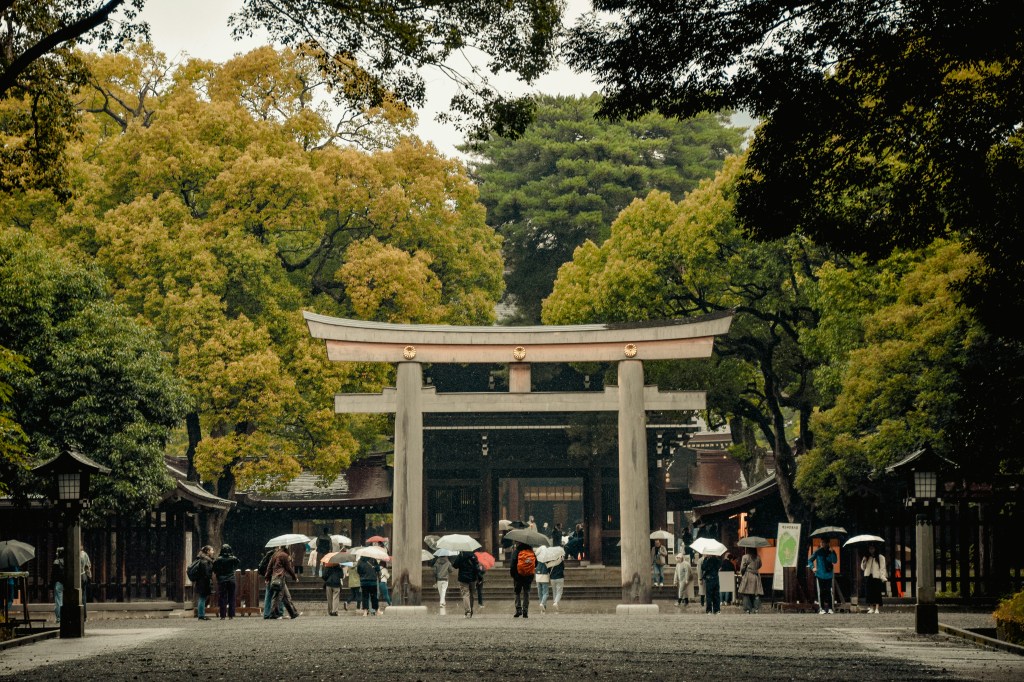
What to experience
- Walk through the forest path with large wooden torii gates
- Watch traditional Shinto weddings
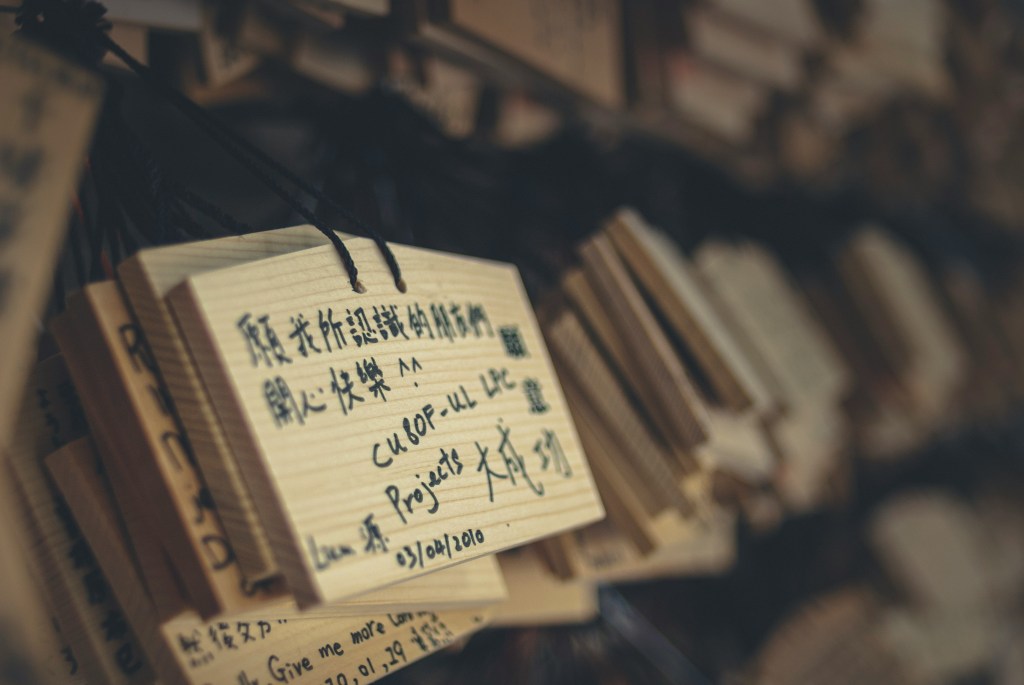
- Write wishes on ema (wooden prayer plaques)
These three shrines each represent a unique side of Japan’s culture and history.
Ise Jingu offers sacred tradition and local flavors, Izumo Taisha is rich in legend and spiritual connection, and Meiji Jingu blends nature and history in the heart of the city.
They are more than just sightseeing spots. They are places where you can feel the deep spirit of Japan.
 Japanese Method